


Introduction
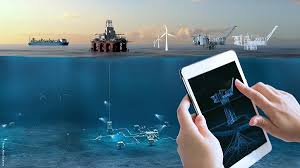
Digital transformation is reshaping the oil and gas industry by integrating advanced technologies such as artificial intelligence (AI), the Internet of Things (IoT), and big data analytics. These innovations are helping companies enhance efficiency, improve safety, and optimize resource management. Engineering consultancy firms like Hawla El Alam play a crucial role in guiding oil and gas companies through this digital revolution. This article explores how digital transformation is revolutionizing oil and gas engineering and the key benefits it offers.
The Need for Digital Transformation in Oil & Gas
The oil and gas sector faces several challenges, including fluctuating prices, increasing operational costs, and stringent environmental regulations. To stay competitive, companies must leverage digital technologies to:
- Reduce downtime and increase asset utilization
- Improve operational efficiency
- Enhance safety measures
- Minimize environmental impact
Key Digital Technologies Transforming Oil & Gas Engineering
1. Artificial Intelligence (AI) and Machine Learning (ML)
AI and ML are transforming how oil and gas companies analyze data and make decisions. Some key applications include:
- Predictive Maintenance: AI-driven models predict equipment failures before they occur, reducing downtime and maintenance costs.
- Drilling Optimization: AI enhances drilling accuracy, reducing non-productive time and improving well performance.
- Production Forecasting: Machine learning algorithms analyze historical data to predict production trends, helping companies plan more effectively.
Hawla El Alam integrates AI-driven solutions to optimize oil and gas engineering processes, ensuring maximum efficiency and cost savings.
2. Internet of Things (IoT) and Sensor Technologies
IoT and sensor technology enable real-time monitoring and data collection across oil and gas facilities. Benefits include:
- Remote Asset Monitoring: IoT sensors provide real-time data on equipment performance, allowing engineers to detect potential issues early.
- Pipeline Leak Detection: Advanced sensors identify leaks and irregularities, preventing costly environmental disasters.
- Energy Consumption Optimization: Smart meters and IoT devices help manage energy usage more effectively.
Engineering consultancies like Hawla El Alam assist oil and gas companies in integrating IoT solutions to enhance operational efficiency and safety.
3. Big Data and Advanced Analytics
Data analytics plays a critical role in oil and gas engineering by transforming vast amounts of data into actionable insights. Key applications include:
- Reservoir Simulation: Big data analytics improves reservoir modeling, leading to better extraction strategies.
- Operational Efficiency: Analyzing historical data helps identify inefficiencies and optimize workflows.
- Supply Chain Optimization: Data-driven insights streamline logistics and procurement processes.
Hawla El Alam utilizes big data analytics to support data-driven decision-making in oil and gas engineering projects.
4. Digital Twin Technology
Digital twins are virtual replicas of physical assets that allow engineers to simulate different scenarios and optimize performance. Benefits include:
- Predictive Maintenance: Engineers can test maintenance strategies in a virtual environment before implementing them in the field.
- Risk Management: Digital twins help assess risks associated with new projects or operational changes.
- Process Optimization: Engineers can fine-tune processes without disrupting real-world operations.
By implementing digital twin technology, Hawla El Alam helps oil and gas companies improve efficiency and reduce operational risks.
5. Cloud Computing and Edge Computing
Cloud and edge computing enable real-time data processing and storage, ensuring seamless operations in remote locations. Key advantages include:
- Enhanced Collaboration: Cloud platforms allow engineers, geologists, and project managers to work together efficiently.
- Faster Data Processing: Edge computing enables real-time analytics, reducing latency in decision-making.
- Cybersecurity Improvements: Cloud-based security solutions protect critical infrastructure from cyber threats.
Engineering consultants like Hawla El Alam assist oil and gas firms in adopting cloud and edge computing solutions to enhance their digital capabilities.
The Benefits of Digital Transformation in Oil & Gas Engineering
1. Increased Operational Efficiency
Digital technologies streamline workflows, reducing manual labor and minimizing human error. Automation tools help optimize production and improve overall efficiency.
2. Enhanced Safety and Risk Management
AI-driven safety monitoring systems, IoT sensors, and digital twins help mitigate risks by predicting potential hazards before they occur.
3. Reduced Environmental Impact
Advanced analytics and AI-driven solutions enable companies to minimize emissions, reduce waste, and enhance sustainability practices.
4. Cost Savings and Profitability
By reducing downtime, optimizing resource allocation, and improving asset management, digital transformation leads to significant cost savings.
5. Regulatory Compliance
Oil and gas companies must adhere to strict regulations. Digital solutions help ensure compliance with environmental and safety standards, reducing legal and financial risks.
Challenges in Implementing Digital Transformation
Despite the many benefits, digital transformation in oil and gas engineering comes with challenges such as:
- High Implementation Costs: Initial investments in digital technologies can be expensive.
- Workforce Resistance: Employees may resist adopting new technologies due to a lack of technical expertise.
- Cybersecurity Risks: Increased connectivity exposes oil and gas infrastructure to potential cyber threats.
Engineering consultancies like Hawla El Alam help companies overcome these challenges by providing expert guidance and customized digital strategies.
The Future of Digital Transformation in Oil & Gas
As digital technologies continue to evolve, the oil and gas industry will see further advancements in areas such as:
- Autonomous Operations: AI-powered robots and drones will handle inspections and maintenance tasks.
- Blockchain for Supply Chain Management: Blockchain technology will improve transparency and efficiency in oil and gas logistics.
- Quantum Computing: Advanced computational capabilities will enhance reservoir simulations and energy forecasting.
By staying ahead of these trends, Hawla El Alam ensures that its clients remain competitive in an increasingly digital world.
Conclusion
Digital transformation is revolutionizing oil and gas engineering by improving efficiency, safety, and sustainability. Technologies such as AI, IoT, big data analytics, digital twins, and cloud computing are helping companies optimize operations and reduce costs. Engineering consultancy firms like Hawla El Alam play a vital role in guiding oil and gas companies through this transformation, ensuring they harness the full potential of digital innovations. By embracing digital transformation, oil and gas companies can achieve greater operational excellence, maintain regulatory compliance, and drive long-term profitability.
